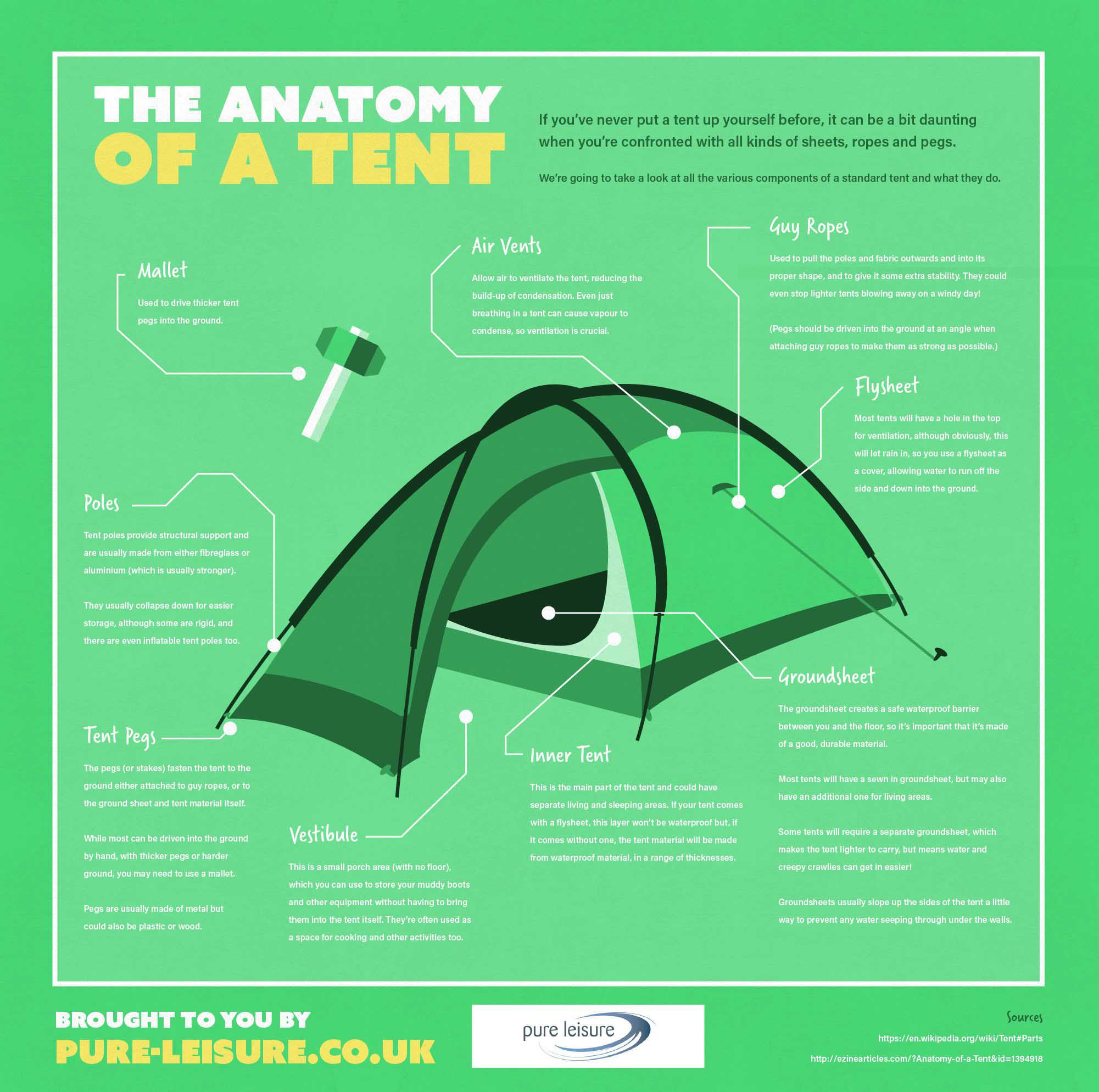
4 period camping tents are more than shelters-- they change right into important survival facilities in extreme wilderness settings. To be successful in this specialized function, they have to manage important microclimates to ensure security and convenience.
Air flow is an essential part of this procedure. Distributing air launches damp vapor, reducing condensation build-up and improving total interior convenience.
Wind-Resistant Ventilation
Unlike 3-season outdoors tents that depend on the fly to obstruct drafts, 4-season shelters have full-coverage fly layouts that prolong to the ground and produce quiet area in between the inner and outer wall surface. This allows wind and snow to pass under the fly without developing cool, damp drafts that draw warmth from the sleeping bag and create condensation.
Therefore, efficient cold-weather ventilation counts on controlled and marginal air flow as opposed to maximum visibility. Small vents tactically positioned in the roofing and wall surfaces enable dampness to leave without losing heat and permitting cold outside air to enter.
NEMO's Tenshi 2P, a two-person wintertime tent, is a superb example of this strategy. Its breathable building and flexible post design make sure that the tent does not collapse in high winds, while its vents allow warm, wet air to leave without allowing cold air in.
Temperature-Controlled Air flow
The climate challenges of tented occasions call for ingenious temperature level control options. These methods can supply a cozy ambiance throughout chilly evenings and cooling convenience throughout summer, all while aligning with eco-conscious event techniques.
Air flow plays an essential function in temperature level regulation, guaranteeing correct dampness management and air circulation throughout the tent. This is especially important in tropical, coastal and summer-dominant outdoor camping markets. Without adequate ventilation, hot and damp air promptly comes to be trapped inside the tent, causing inner condensation and temperature imbalances that compromise comfort.
Ensure your camping tent is well-ventilated and positioned in a location shielded from winds, to stop the cold air from creeping in and stealing your body heat. Sleeping bags with appropriate temperature scores, a well-placed tarpaulin to block wind, and adding a blanket or rug to the floor of your camping tent will assist keep warmth. Open or somewhat unzipped vents can likewise enable vapor from breathing and food preparation to get away, however do not endanger heat with excessive air flow.
Breathable Air flow
Unlike three-season outdoors tents that are lightweight short-term shelters, four period camping tents work as important survival framework, changing possibly life-threatening outside conditions right into convenient atmospheres with careful style and innovative materials. This is why skilled expert camping tent producers treat ventilation as a useful system rather than an easy add-on or checklist item.
Particularly developed for winter season atmospheres, specialized outdoors tents retain warm extra efficiently and provide exceptional wind resistance to alleviate hypothermia threats. However, efficient cold-climate air flow systems need to be balanced against the threat of inner condensation build-up that can substantially weaken fabric resilience and lower thermal performance.
Yolloy's clear inflatable bubble outdoors tents deliver this balance, incorporating durable PVC textiles with an impermeable inflation system that maintains the tent inflated for days without requiring covering up (say goodbye to waking up to a collapsing camping tent because of snow weight). In summertime, the transparent material allows the sunlight's UV rays, and on a trendy evening, you can open the lower vents to delight in the night sky.
Moisture-Resistant Ventilation
If the air in your outdoor tents is stationary, moisture will not leave and will certainly develop. Ventilation keeps the air flowing, exchanging it with cooler, drier exterior air and decreasing condensation.
In cold-weather settings, effective ventilation concentrates on very little, regulated air flow as opposed to openness. When cozy internal air satisfies cold exterior air, it creates condensation and various other undesirable issues that are minimized by efficient air flow.